
TimeComplexity.ai
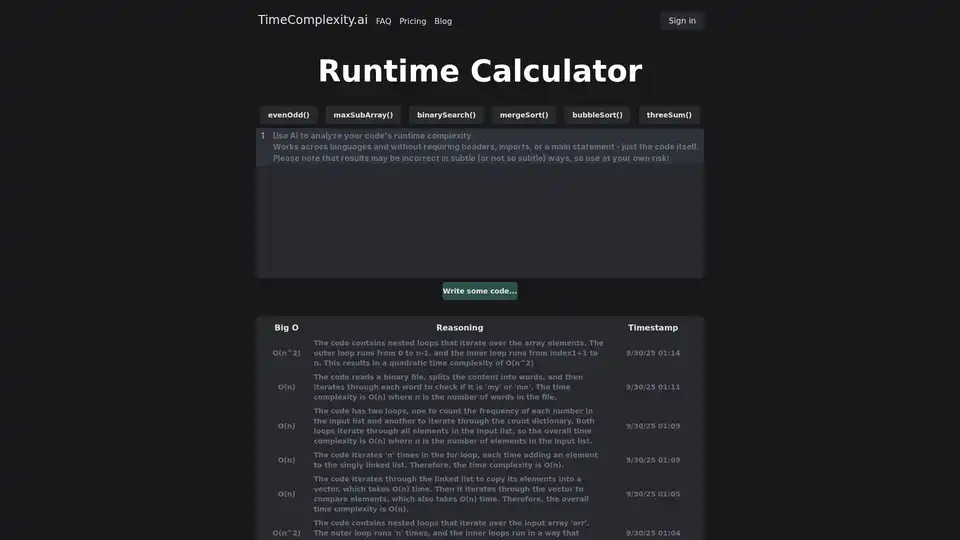
Overview of TimeComplexity.ai
What is TimeComplexity.ai?
TimeComplexity.ai is an innovative AI-powered tool designed to analyze the runtime complexity of code snippets and return the results in Big O notation. This web-based application provides developers with instant complexity analysis across multiple programming languages without requiring complete code structures.
How Does TimeComplexity.ai Work?
The platform utilizes advanced artificial intelligence algorithms to examine code patterns and identify computational complexity. Unlike traditional static analysis tools, TimeComplexity.ai can work with partial or incomplete code, making it particularly useful for algorithm development and optimization.
Key Technical Features
- Multi-language Support: Works with Python, C++, C, Java, JavaScript, Go, and even pseudocode
- Partial Code Analysis: No need for headers, imports, or main statements - just the core algorithm
- Instant Results: Provides Big O notation along with detailed reasoning for each analysis
- Historical Tracking: Timestamps and stores previous analyses for reference
Core Functionality and Usage
Runtime Complexity Calculation
The tool examines code structures such as loops, recursive calls, and nested operations to determine worst-case time complexity. Examples from the platform show analyses like:
- O(n²) for nested loops iterating over array elements
- O(n) for linear iterations through linked lists or arrays
- O(n) for frequency counting and dictionary operations
Practical Applications
TimeComplexity.ai is particularly valuable for:
- Algorithm Design: Quickly test and validate complexity during development
- Code Optimization: Identify bottlenecks and inefficient patterns
- Educational Purposes: Learn about computational complexity through practical examples
- Technical Interviews: Prepare for coding interviews by understanding complexity implications
Who Should Use TimeComplexity.ai?
Target Audience
- Software Developers working on algorithm optimization
- Computer Science Students learning about computational complexity
- Technical Interview Candidates preparing for coding assessments
- Educators teaching algorithms and data structures
- Competitive Programmers needing quick complexity checks
Important Considerations
The platform includes a disclaimer noting that "results may be incorrect in subtle (or not so subtle) ways, so use at your own risk!" This highlights the importance of:
- Verifying results through manual analysis for critical applications
- Understanding that AI analysis may miss edge cases
- Using the tool as a supplementary rather than primary analysis method
Why Choose TimeComplexity.ai?
Unique Value Proposition
- Language Agnostic: Works across multiple programming languages with consistent analysis
- Minimal Requirements: Analyzes code without needing complete program structures
- Educational Value: Provides reasoning behind each complexity determination
- Accessibility: Web-based platform requiring no installation or setup
Best Practices for Usage
For optimal results, users should:
- Test with known algorithms to understand the tool's accuracy
- Use multiple test cases to validate consistency
- Combine with traditional complexity analysis methods
- Review the reasoning provided to learn pattern recognition
Technical Implementation
The platform demonstrates practical examples of complexity analysis, including:
- evenOdd(): Typically O(n) for linear array processing
- maxSubArray(): Often O(n) or O(n log n) depending on implementation
- binarySearch(): Standard O(log n) complexity
- mergeSort(): O(n log n) divide-and-conquer approach
- bubbleSort(): O(n²) comparison-based sorting
- threeSum(): Often O(n²) or O(n³) depending on algorithm
These examples show the tool's ability to handle various algorithm types and complexity patterns.
Conclusion
TimeComplexity.ai represents a significant advancement in automated code complexity analysis. By leveraging AI technology, it provides developers with instant insights into their code's runtime behavior across multiple programming languages. While users should exercise caution and verify critical results, the tool offers substantial value for educational purposes, quick checks, and algorithm development workflows.
AI Programming Assistant Auto Code Completion AI Code Review and Optimization AI Low-Code and No-Code Development
Best Alternative Tools to "TimeComplexity.ai"
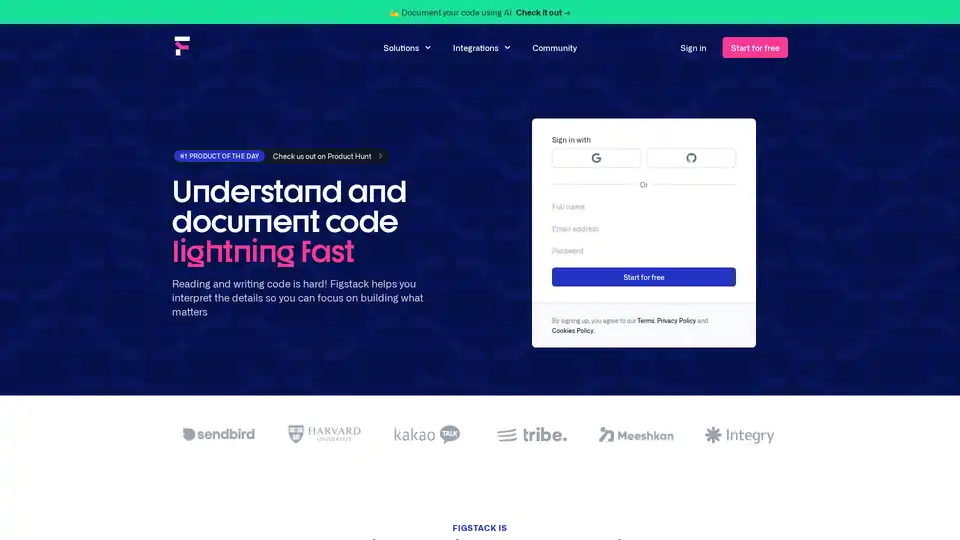
Figstack is an AI-powered tool that supercharges developers by explaining code, translating languages, automating documentation, and analyzing time complexity for efficient coding across multiple languages.
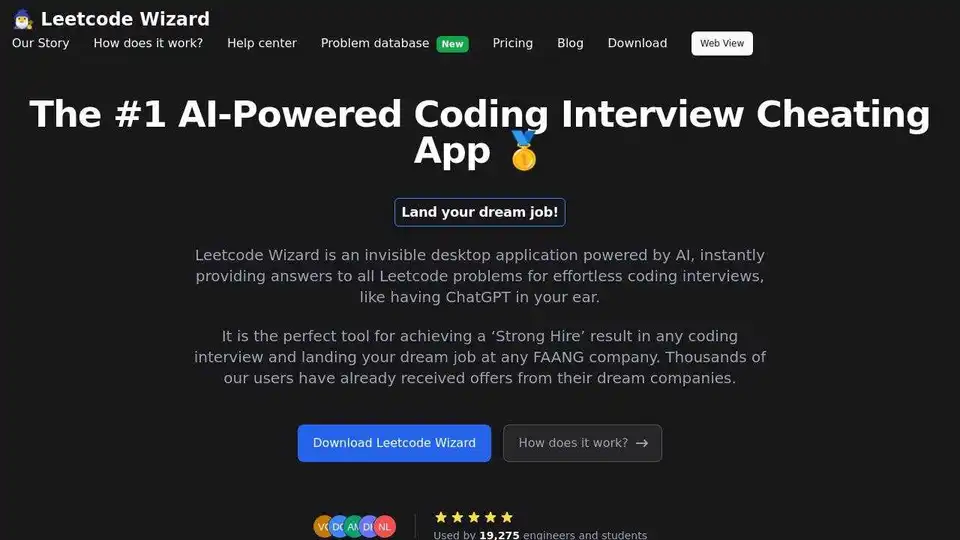
Leetcode Wizard is an AI-powered desktop app that instantly provides solutions to Leetcode problems, helping you ace coding interviews and land your dream job at FAANG companies.
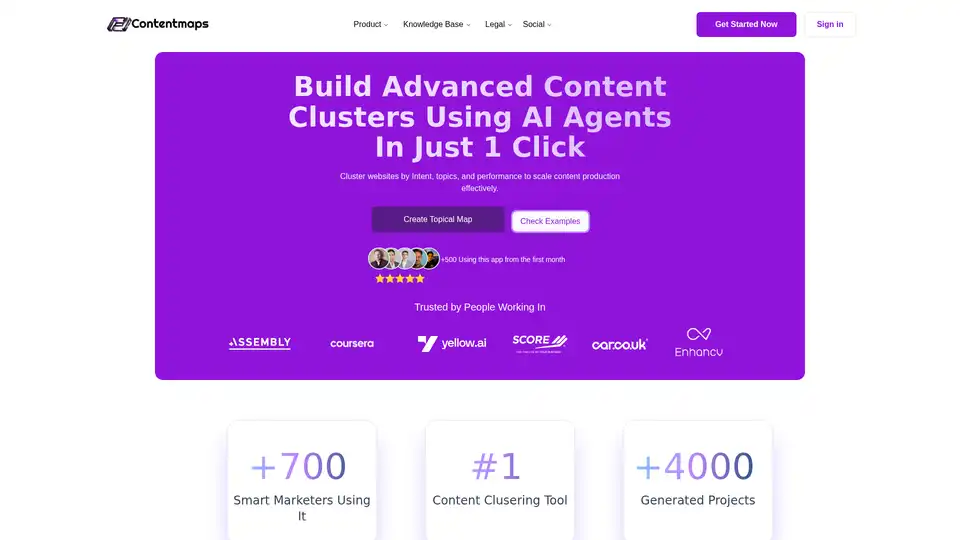
Contentmaps AI helps build advanced SEO content clusters and topical maps using AI agents. Scale your content production with intent analysis, keyword clustering, and personalized strategies to boost topical authority and drive traffic.
Nuvio is an AI-powered financial analytics platform designed for startups and small businesses. Track income, expenses, and cash flow effortlessly and gain valuable insights to grow your business.