
AutoGen
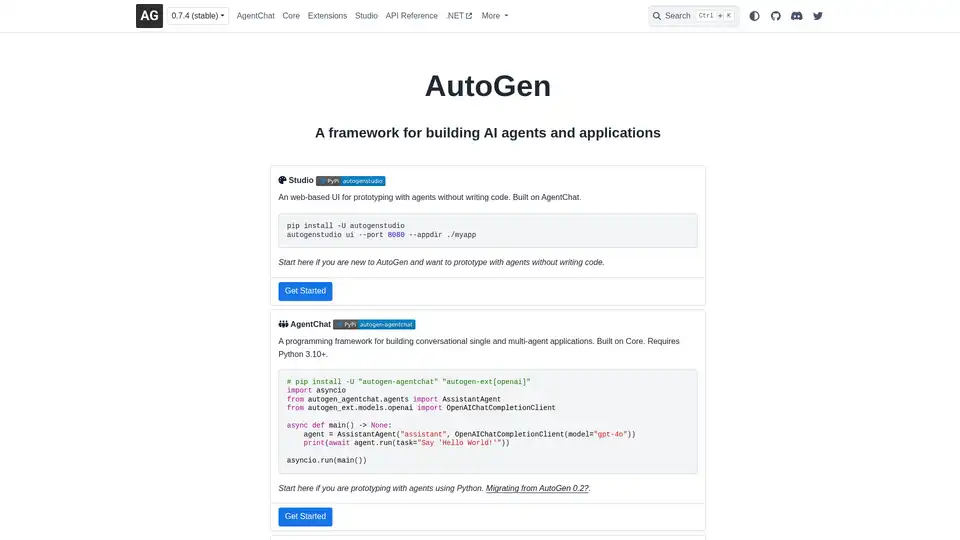
Overview of AutoGen
What is AutoGen?
AutoGen is an open-source framework developed by Microsoft for building AI agents and multi-agent applications. It provides developers and researchers with a comprehensive toolkit to create sophisticated AI systems that can handle complex tasks through agent collaboration. The framework is designed to be modular, scalable, and accessible to users with different levels of programming expertise.
How Does AutoGen Work?
AutoGen operates through three main components that work together to enable efficient AI agent development:
Core Framework
The Core component is an event-driven programming framework specifically designed for building scalable multi-agent AI systems. It supports:
- Deterministic and dynamic agentic workflows for business processes
- Research on multi-agent collaboration for academic and experimental purposes
- Distributed agents for multi-language applications and cross-platform deployment
This foundation allows developers to create robust agent systems that can handle real-world complexity and scale according to application requirements.
AgentChat Framework
Built on top of Core, AgentChat provides a programming framework for building conversational single and multi-agent applications. It requires Python 3.10+ and offers:
- Conversational agent development with easy-to-use APIs
- Seamless integration with various AI models including OpenAI's GPT-4o
- Asynchronous operation support for efficient task handling
Example usage:
import asyncio
from autogen_agentchat.agents import AssistantAgent
from autogen_ext.models.openai import OpenAIChatCompletionClient

async def main() -> None:
    agent = AssistantAgent("assistant", OpenAIChatCompletionClient(model="gpt-4o"))
    print(await agent.run(task="Say 'Hello World!'"))

asyncio.run(main())
AutoGen Studio
For users who prefer a no-code approach, AutoGen Studio provides a web-based UI for prototyping with agents without writing code. Built on AgentChat, it offers:
- Visual agent configuration and management
- Rapid prototyping capabilities for quick experimentation
- Easy deployment through simple commands:
pip install -U autogenstudio
autogenstudio ui --port 8080 --appdir ./myapp
Extensions Ecosystem
AutoGen features a rich extensions system that interfaces with external services and other libraries:
- McpWorkbench for using Model-Context Protocol (MCP) servers
- OpenAIAssistantAgent for integrating with OpenAI's Assistant API
- DockerCommandLineCodeExecutor for safely running model-generated code in Docker containers
- GrpcWorkerAgentRuntime for distributed agent deployment
The community can both use existing extensions and create new ones, making AutoGen highly extensible and adaptable to various use cases.
Key Features and Benefits
For Developers
- Modular architecture that allows component reuse and customization
- Python-native implementation with comprehensive API documentation
- Event-driven design for responsive and scalable agent systems
- Multi-language support through distributed agent capabilities
For Researchers
- Experimental framework for multi-agent collaboration research
- Extensible design for custom agent behaviors and interactions
- Open-source community for collaboration and knowledge sharing
For Business Users
- No-code prototyping through AutoGen Studio
- Business process automation capabilities
- Scalable deployment options for production environments
- Enterprise-ready features with Microsoft backing
Who is AutoGen For?
AutoGen serves multiple user groups:
AI Developers and Engineers
Professionals building production-ready AI applications who need a robust framework for multi-agent systems.
Researchers and Academics
Individuals conducting research on multi-agent collaboration, AI interaction patterns, and advanced AI system architectures.
Business Professionals
Users who want to prototype AI agent applications without extensive programming knowledge through the no-code Studio interface.
Students and Learners
Those interested in learning about AI agent development and multi-agent system concepts through hands-on experimentation.
Practical Applications
AutoGen can be applied to various scenarios including:
- Customer service automation with intelligent conversational agents
- Business process optimization through automated workflow agents
- Research and development in multi-agent AI systems
- Educational tools for AI and machine learning training
- Prototype development for AI-powered applications
Why Choose AutoGen?
AutoGen stands out due to its:
- Microsoft-backed development ensuring enterprise-grade quality
- Comprehensive documentation and active community support
- Modular design allowing flexible implementation
- Both code and no-code options catering to different user preferences
- Extensive extension ecosystem for enhanced functionality
The framework continues to evolve with regular updates and community contributions, making it a reliable choice for AI agent development across various domains and applications.
AI Research and Paper Tools Machine Learning and Deep Learning Tools AI Datasets and APIs AI Model Training and Deployment
Best Alternative Tools to "AutoGen"
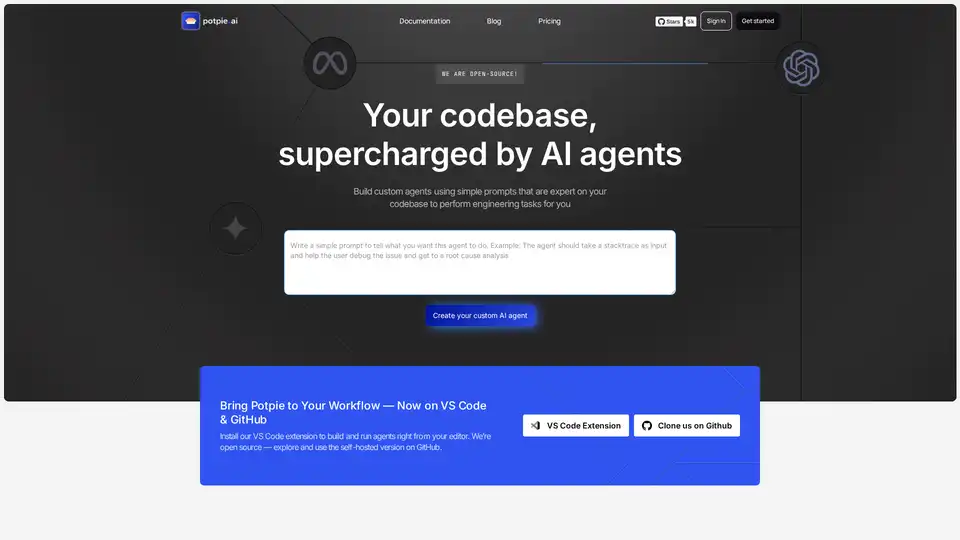
Build task-oriented custom agents for your codebase that perform engineering tasks with high precision powered by intelligence and context from your data. Build agents for use cases like system design, debugging, integration testing, onboarding etc.
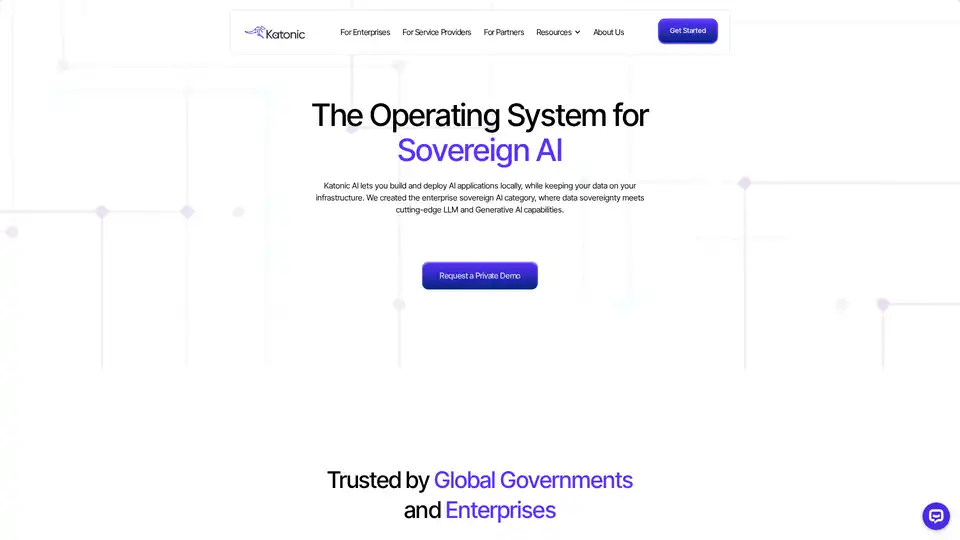
Katonic AI is an enterprise sovereign AI platform for building and deploying AI applications locally, while maintaining data sovereignty. It offers scalability, economy, and security for enterprises and service providers.
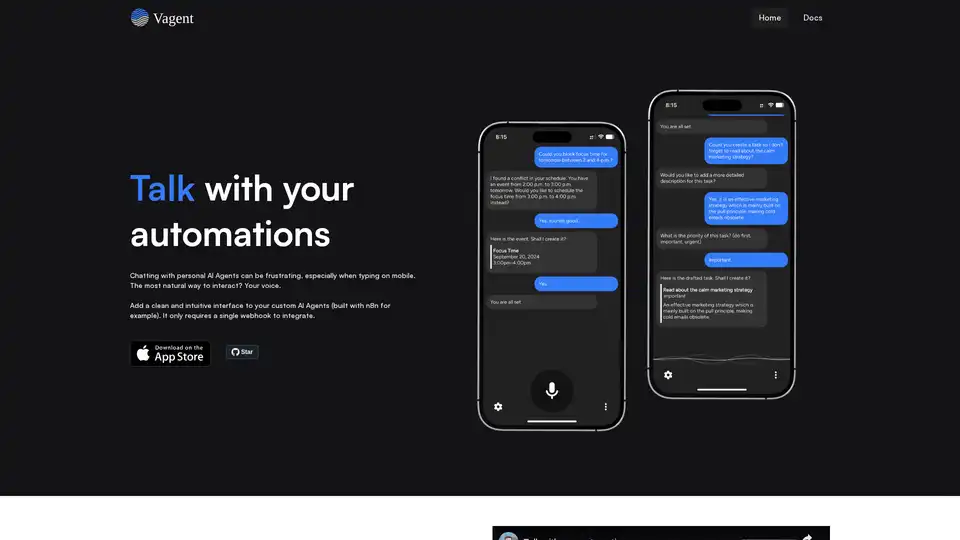
Vagent provides a clean, voice-enabled interface for custom AI agents like those built with n8n. Integrate via a single webhook for natural speech interactions in 60+ languages, with local data storage and no registration needed.